


ESO: Best Nightblade Builds Overview
Nightblade can fill several roles in The Elder Scrolls Online, but a group damage setup, a PvP burst setup and a solo survival setup solve different problems. Start with the content you play, then choose skills and gear around its demands. The examples below show workable directions rather than a single permanent best-in-slot list.
Nightblade Builds: Choose a Role First
In group PvE, plan for sustained damage and the buffs your group already supplies. In PvP, budget for defense, recovery and an escape route as well as burst. When playing alone, self-healing and shields often matter more than a damage increase that assumes a healer is nearby. Magicka and Stamina Nightblades can both use class tools such as Merciless Resolve and Siphoning Attacks, while their weapon choices and resources differ.
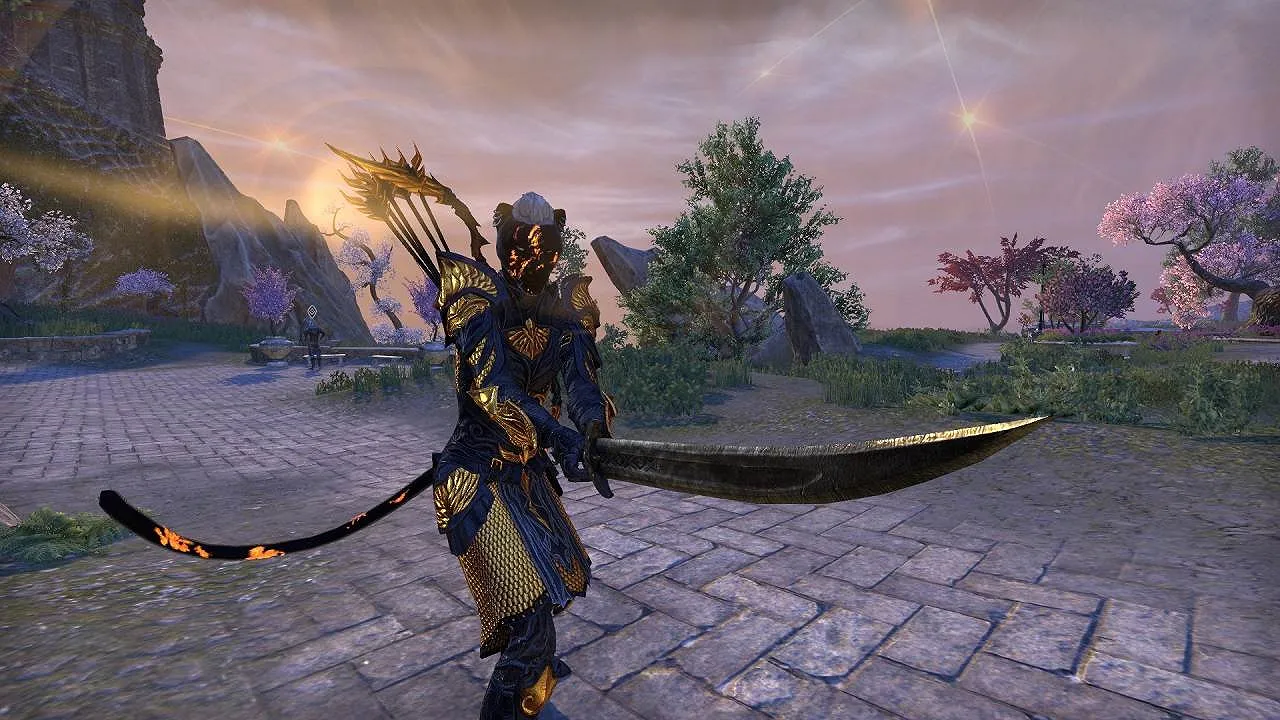
ESO also supports subclassing and Class Mastery. Class Mastery benefits a character using its native class lines without subclassing; it switches off when subclassing is active. Compare pure-class and subclassed setups under the same conditions before treating a build list as a ranking. Gear, skill morphs and Champion Points should be checked against the live client whenever combat rules change.
Nightblade PvE Builds
These are group damage examples for dungeons and trials. They assume you can stay on target and receive group support. In an arena or when learning mechanics, replace a damage slot with a shield or heal and test the change in the encounter you actually play.
Magicka Nightblade DPS
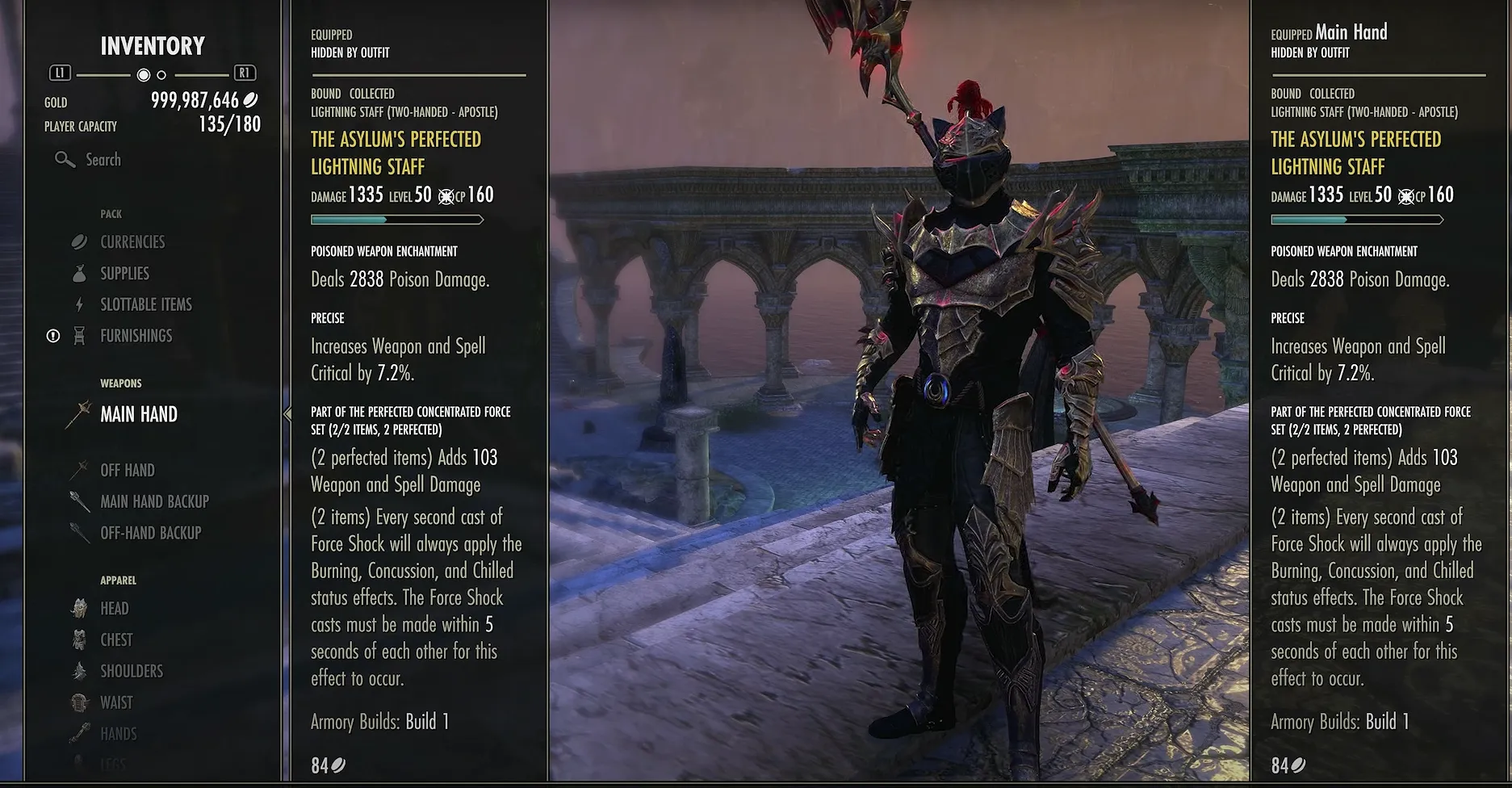
Role: Group damage dealer using a Destruction Staff. Swallow Soul gives a damage skill with healing, while Merciless Resolve supplies a timed burst tool. Twisting Path and Unstable Wall of Elements contribute damage over time; Siphoning Attacks helps manage resources. Keep your effects active, fire the Merciless Resolve attack when ready and use an execute only when its conditions are met.
Example gear direction: Perfected Whorl of the Depths and Pillar of Nirn are paired in a current group build, with Velothi Ur-Mage’s Amulet and a single Slimecraw piece. The mythic amulet changes the value of light and heavy attack damage, so do not lift a rotation from another setup without adjusting it. If trial gear is out of reach, start with accessible crafted or overland pieces and upgrade one set at a time.
| Magicka PvE choice | Purpose | Check before equipping |
|---|---|---|
| Swallow Soul | Damage with self-healing | Useful while learning; compare its damage with alternatives in a supported group. |
| Merciless Resolve | Burst window | Track its trigger instead of firing unrelated skills on cooldown. |
| Twisting Path and Unstable Wall | Area and sustained damage | Refresh them when they expire; avoid recasting too early. |
| Siphoning Attacks | Resource management | Adjust use to your sustain and current skill tooltip. |
| Whorl, Pillar, Velothi, Slimecraw | One group-oriented equipment example | Count set pieces and mythic slots; it is not a universal requirement. |
For Champion Points, favor stars that support the damage profile of the skills you actually use. Check critical-damage limits and group buffs before assigning every slot to critical damage. A target dummy is useful for comparing rotations, but a trial boss also tests movement and survival.
Stamina Nightblade DPS
Role: Group damage dealer with a melee front bar and a weapon back bar chosen for the encounter. Current examples use dual wield and a two-handed weapon; a bow variant is also possible. Surprise Attack, Relentless Focus, Killer’s Blade and Siphoning Attacks illustrate the class’s direct damage, burst, execute and sustain options. Keep a self-heal available when a group healer cannot cover you.
Example gear direction: Perfected Relequen and Pillar of Nirn with Velothi Ur-Mage’s Amulet and one Slimecraw piece appear in a current group setup. Relequen rewards sustained contact with a target, so a fight with frequent target swaps can change the value of that choice. A set that performs well on a stationary dummy may be less convenient when the boss moves or mechanics interrupt your attacks.
| Stamina PvE choice | Purpose | Check before equipping |
|---|---|---|
| Surprise Attack | Frequent direct damage | Compare its cost and range with your other front-bar options. |
| Relentless Focus | Timed class burst | Watch for the attack becoming available during the rotation. |
| Killer’s Blade | Execute option | Use according to the current tooltip and target health. |
| Resolving Vigor | Self-heal when needed | Slot it for solo or lightly supported content rather than assuming a healer. |
| Relequen, Pillar, Velothi, Slimecraw | One group-oriented equipment example | Reassess for short fights and target switches. |
Keep the Stamina build focused on the encounters in which you use it. Record how often you run out of resources, miss the burst window or lose damage while moving. Those observations tell you whether to change sustain, bar skills or equipment before chasing a new set name.
Nightblade PvP Builds
PvP requires a different tradeoff from a raid damage build. Opponents can interrupt a burst attempt and punish a character with no defensive bar. Use the two examples below as playstyle outlines, then adjust health, recovery, resistances and crowd-control responses for your campaign or Battleground rules. Neither build guarantees a kill.
Magicka Nightblade Bomber
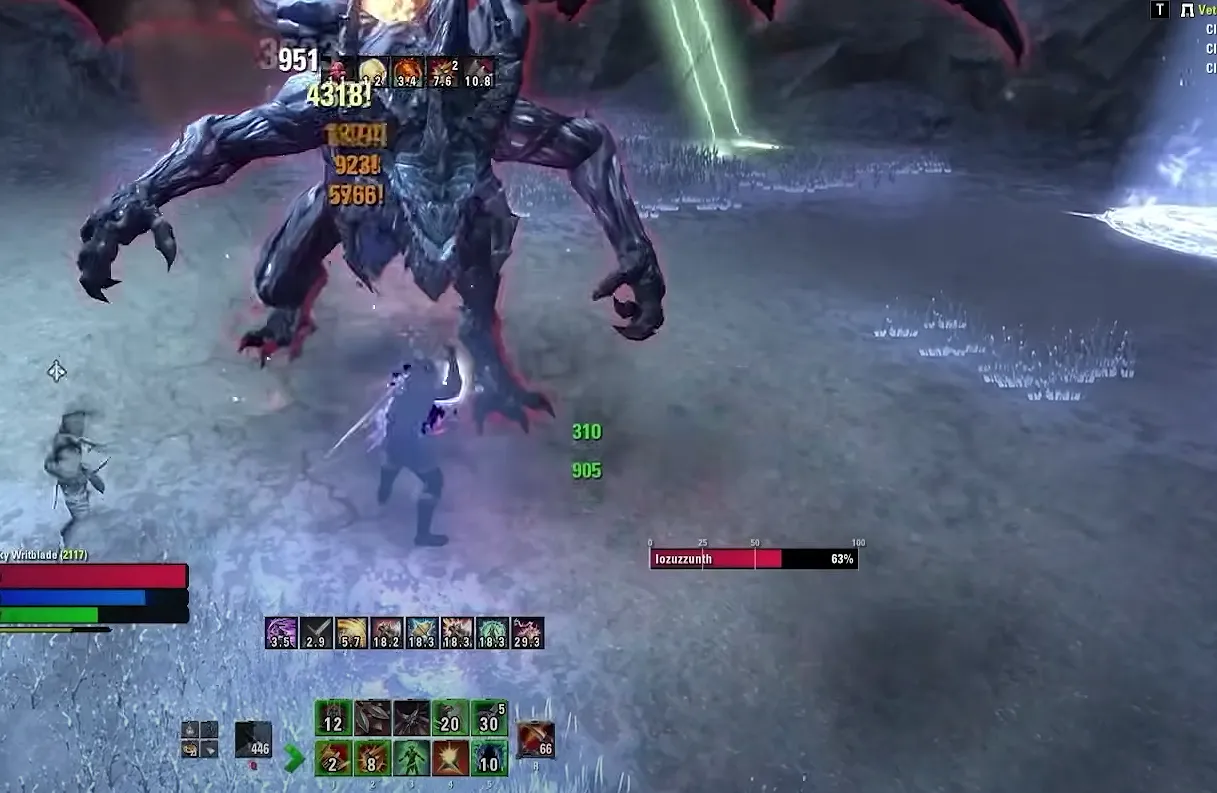
Role: Area burst against grouped opponents in Cyrodiil. Vicious Death, Balorgh and New Moon Acolyte are one documented equipment combination. The point of the setup is to bring several damage effects together when enemies are stacked; it is much less useful when targets are spread out or already moving away.
Plan an approach and an exit before engaging. Proxy Detonation can prepare a delayed burst, Lotus Fan can bring you into a group and Soul Tether can contribute area damage and control. Check the current tooltips and timing in your own build, because a missed window leaves a damage-focused bomber exposed. Keep a defensive skill and enough resources to move out if the first target survives.
| Bomber priority | Practical decision |
|---|---|
| Target selection | Look for a tightly grouped cluster rather than a lone durable opponent. |
| Gear | Vicious Death supports the chain reaction; Balorgh and an offensive five-piece set support burst. |
| Skill timing | Line up delayed damage and the ultimate, then reassess if the group disperses. |
| Survival | Reserve an escape route and avoid treating stealth as invulnerability. |
Stamina Nightblade Ganker
Role: Single-target pressure from stealth. A current example combines Eternal Hunt, Spriggan’s Thorns, Balorgh and Caustic Arrow with a two-handed weapon and bow. It favors choosing an isolated or already weakened target, landing a controlled burst and repositioning before a counterattack. This differs from the source article’s old Swamp Raider and Marksman’s Crest list.
Use Shadowy Disguise to approach, then select attacks according to your weapon bars and target. Relentless Focus and Incapacitating Strike are burst tools, while a heal such as Resolving Vigor gives you a way to recover after the opening. The exact bar changes with your skills and the opponent’s defenses. If the target survives, do not keep attacking blindly from the same angle; move, restore resources and look for a new opening.
| Ganker priority | Practical decision |
|---|---|
| Opening | Choose a target and line of approach before leaving cover. |
| Gear | Balance penetration, burst and an escape option; do not assume the old set list remains optimal. |
| Defense | Keep a heal and movement option ready for a failed burst. |
| Match rules | Check whether Champion Points and other campaign rules change your setup. |
For both PvP styles, judge the build over several fights. A spectacular elimination does not show whether the setup can survive, reset and repeat the engagement. Adapt a gear slot if the same weakness keeps ending your attempts.
Solo Nightblade Build
Solo play removes the group healer and many external buffs. Keep a self-heal, a defensive tool and resource management on the bars before adding more damage. World bosses, arenas and ordinary overland fights demand different levels of protection, so use the same character as a flexible framework rather than a fixed bar for every activity.
Solo Magicka Nightblade
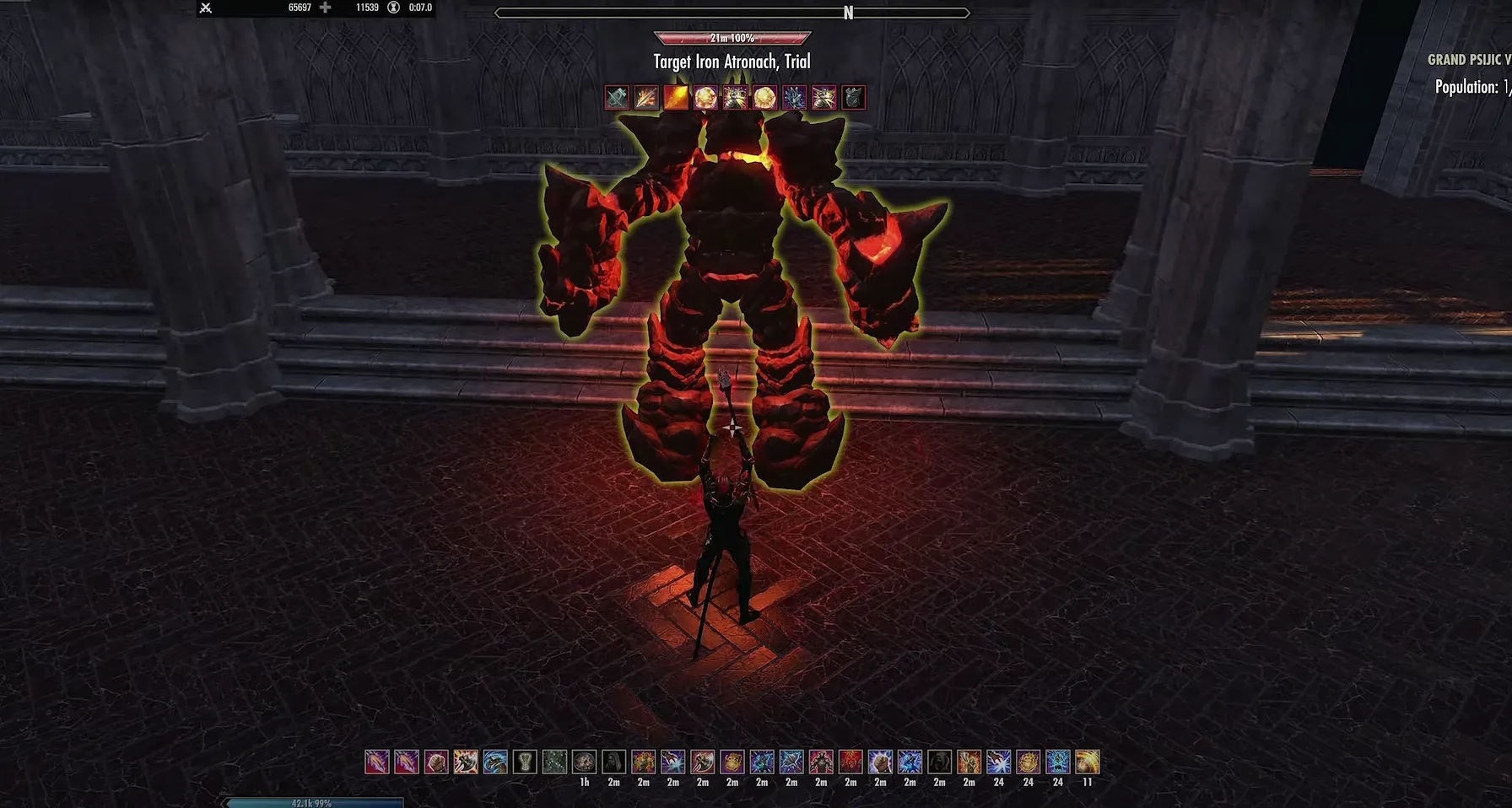
Role: Magicka damage with healing and a shield for independent play. Swallow Soul heals while dealing single-target damage; Sap Essence offers an area option with healing. Harness Magicka can absorb damage, and Siphoning Attacks supports resources. Keep damage-over-time skills active when it is safe, then use the free slots for the mechanics of the fight.
Example gear direction: Perfected False God’s Devotion, Tzogvin’s Warband, Ring of the Pale Order and a one-piece monster set are one solo pairing. Ring of the Pale Order adds healing tied to your own damage and uses a jewelry slot. Without that mythic, a full Iceheart monster set is one defensive alternative. Do not combine the mythic, two complete five-piece sets and a two-piece monster set without checking the actual slots available.
| Solo choice | Purpose | When to adjust |
|---|---|---|
| Swallow Soul and Sap Essence | Damage with healing | Keep both when self-healing is more valuable than a damage-only option. |
| Harness Magicka | Damage shield | Use for predictable heavy hits rather than waiting until after damage lands. |
| Siphoning Attacks | Sustain | Review use if Magicka or Stamina runs dry during longer fights. |
| Pale Order or Iceheart route | Different survival tools | Count set slots and test which one suits the content. |
Before entering a harder solo instance, decide how you will recover from a missed dodge, an interrupted attack or a long phase without a safe damage window. Swap a skill or gear piece if those situations repeatedly end a run. For group play, revisit the damage build above instead of carrying every solo defensive choice into a supported raid.
Conclusion
The useful Nightblade build is the one matched to your role and the fight in front of you. Group PvE rewards a repeatable rotation; PvP demands a way to survive after the opener; solo play needs reliable healing and defense. Start from the examples, check skill tooltips and set slots in the live game, then change one part at a time. Browse the existing ESO Boosting Services category if you are looking for the store’s ESO options.
FAQ
Choose by content: Magicka or Stamina damage for supported group PvE, a burst style for PvP, or a self-healing Magicka setup for solo play. Test the role before collecting every example set.
Yes. Bomber and single-target ganker are different approaches. Both need an escape plan and enough defense to handle a failed burst; neither guarantees a result against every opponent.
Yes. Skills such as Swallow Soul and Sap Essence can supply healing alongside damage. Add a shield or defensive gear when the content calls for it, and adjust the build for each encounter.
For group Magicka, compare Whorl of the Depths and Pillar of Nirn. For group Stamina, compare Relequen and Pillar of Nirn. Solo Magicka may favor False God’s Devotion and a healing or shield option. In PvP, start with sets that fit the bomber or ganker role and check the current tooltips.
No. Incapacitating Strike serves direct burst, while Soul Tether can help in clustered fights and solo situations. Pick an ultimate that fits the content and the rest of your bar.

Change Log
- 19.03.2025 - ESO: Best Nightblade Builds guide published.